New Industry Framework Standard

Total Asset
Resilience

A shared framework for understanding, managing and assuring resilience across the built environment and the services it supports.

Read the definition
A coastal city, bridge and waterfront infrastructure connected across a harbour
01 / Definition

What is Total
Asset Resilience?

Definition and context

A governed, continuously contextualised capability.

TAR connects the state of physical and digital assets across the built environment, infrastructure and connected systems with operating conditions, dependencies, risks and intended functions. It enables organisations to anticipate and withstand impairment, adapt, recover and learn — while maintaining safe, secure, compliant, sustainable and economically viable performance across the asset lifecycle.

The asset-supported function is the starting point: what must continue, what it depends on and what evidence demonstrates resilience.

The framework sets out the shared approach. A TAR Platform supports its application by connecting information, accountable decisions and evidence of results.

02 / Application across industry

One definition.
Eight application environments.

Start with the service to maintain. Its purpose, dependencies and consequences determine how TAR applies in each environment.

Traditional terraced homes with slate roofs and chimneys

Homes, apartment buildings and residential estates.

Asset-supported function
Safe, habitable homes and dependable everyday services.
Applying TAR
Connect heating, water, ventilation, access and building condition to the needs of residents, then prioritise action according to the consequences of disruption.
Explore residential
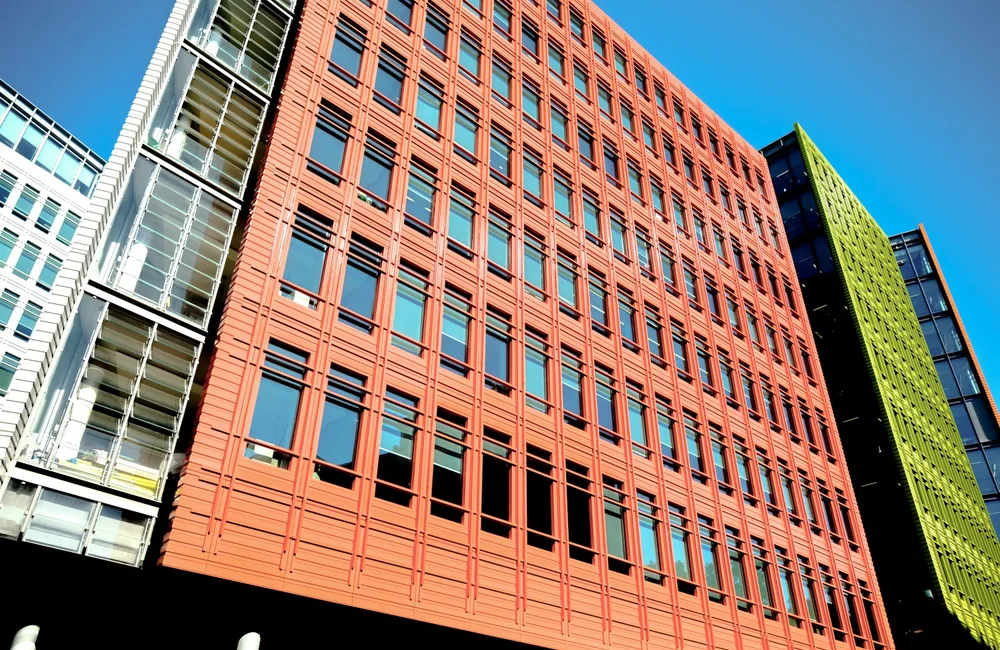
Modern office facades in Soho, London

Offices, retail, hospitality and mixed-use premises.

Asset-supported function
Usable premises and continuity of the activities they accommodate.
Applying TAR
Relate building services, tenant requirements and occupancy patterns to business continuity, shared responsibilities and continued use of the premises.
Explore commercial
Overhead cranes and steel structures inside a large factory

Manufacturing, processing and industrial production facilities.

Asset-supported function
Safe production, consistent quality and dependable delivery.
Applying TAR
Connect plant, process controls, utilities and supply dependencies to production requirements, including the conditions needed for a safe and reliable restart.
Explore industry & manufacturing
Glenfinnan Viaduct curving through the Scottish Highlands

Roads, rail, bridges, ports, airports and associated fleets.

Asset-supported function
Safe movement of people and goods across a connected network.
Applying TAR
Relate infrastructure condition, vehicles, signalling, power and communications to network performance, alternative routes and safe restoration of service.
Explore transportation & infrastructure
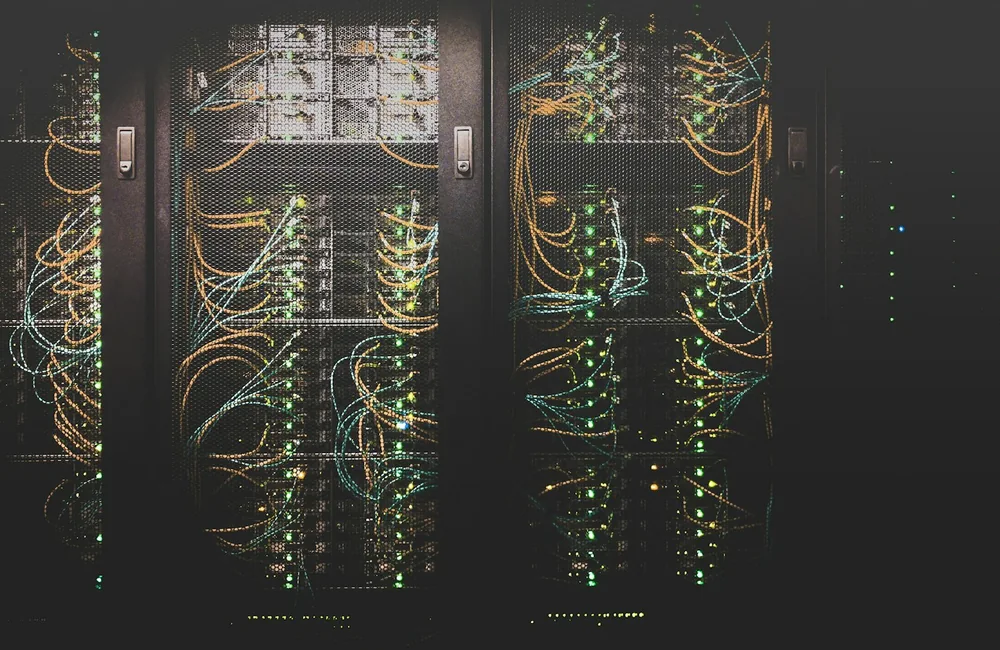
Network cabling and illuminated equipment inside server racks

Enterprise, colocation and distributed computing facilities.

Asset-supported function
Available digital services within agreed operating conditions.
Applying TAR
Connect power, cooling, connectivity, controls and operational processes to service commitments, maintenance constraints and demonstrable recovery capability.
Explore data centres
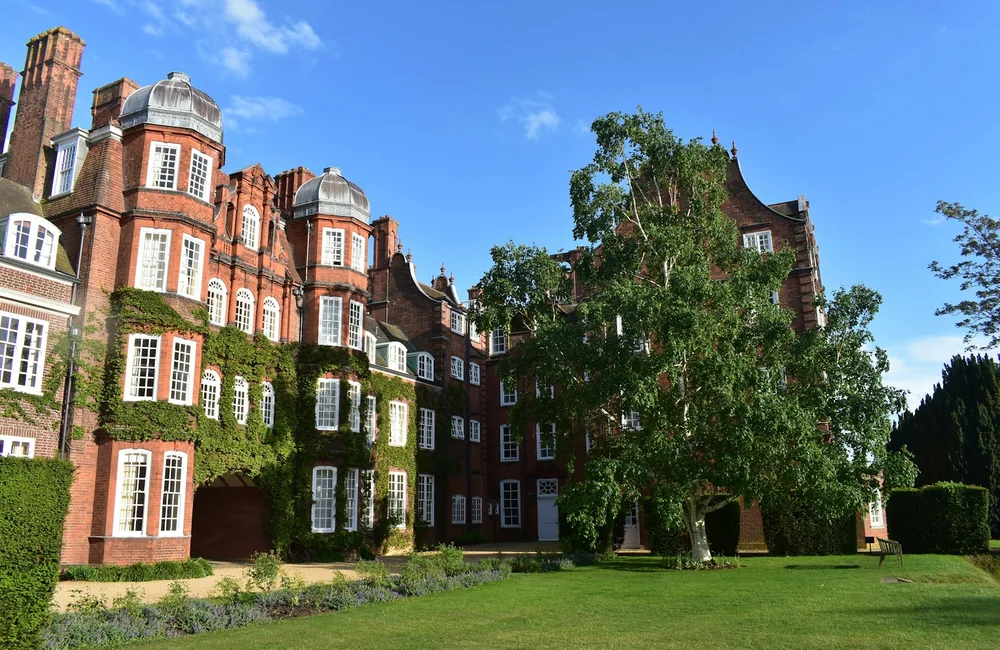
Historic university buildings and a landscaped lawn in Cambridge

Schools, colleges, universities and research campuses.

Asset-supported function
Continuity of learning, research and campus services.
Applying TAR
Distinguish teaching spaces, laboratories and specialist facilities, with priorities reflecting academic activity, research dependencies and the people using the estate.
Explore education & research
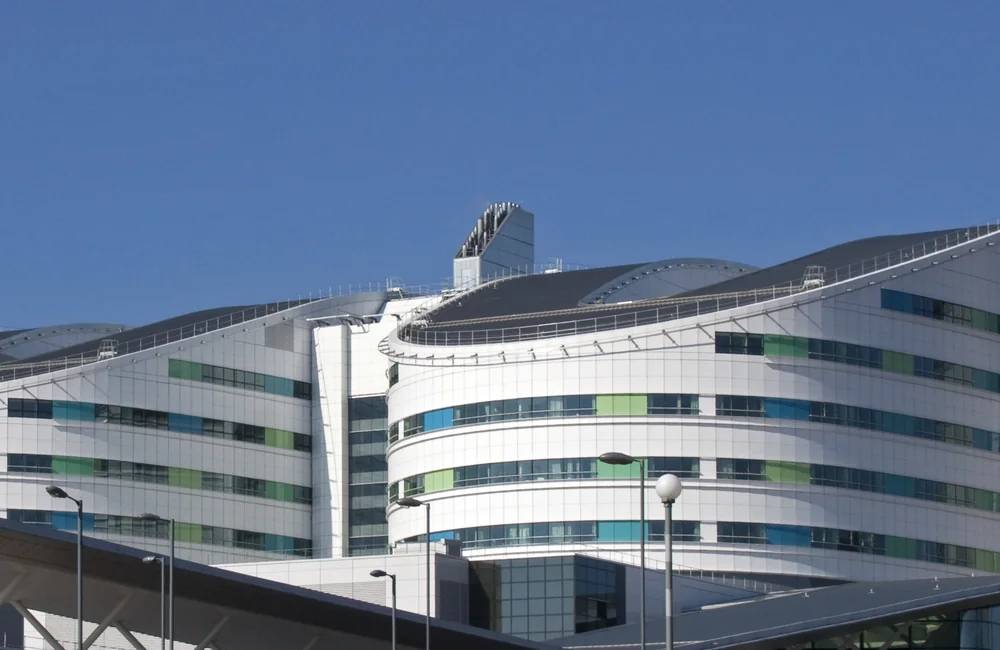
Curved exterior wings of Queen Elizabeth Hospital Birmingham

Hospitals, clinics, community facilities and care settings.

Asset-supported function
Continuity of care and protection of patients, residents and staff.
Applying TAR
Relate estates, equipment, environmental conditions, utilities and digital systems to particular care activities and the needs of the people receiving care.
Explore health & social care

Connected environments. Distinct service needs.

These environments can overlap within one organisation or estate. A university may include homes, laboratories and a data centre. A hospital data centre has its own technical dependencies, with priorities shaped by the clinical services it supports. Apply the relevant guidance to each function and connect the shared dependencies.

03 / Framework structure

Eight connected
capability domains.

The capabilities link asset context, dependencies, decisions and evidence. They operate together across the asset lifecycle.

The capability domains describe what an organisation needs to be able to do. Outcome domains help assess what those capabilities achieve.

Explore the capability framework
04 / Framework to platform

From shared principles
to connected application.

A Total Asset Resilience Platform supports the people and processes responsible for resilience through connected software capabilities.

TAR
The organisational capability to maintain asset-supported functions through changing conditions and impairment.
The TAR framework
The shared definition, principles, capabilities and outcome domains that structure the approach.
The TAR Platform
Software that connects asset context and dependencies with consequence assessment, governed interventions and evidence of outcomes.

A TAR Platform works alongside existing asset management, operational and assurance systems. It helps responsible teams understand the effect of change, coordinate decisions and verify the result across the asset lifecycle.

Understand the TAR Platform
05 / Outcomes and evidence

What does resilience
need to achieve?

Six outcome domains connect service performance, protection and long-term value. Assess them together in the context of the decision.

06 / Reference material

Definitions, framework
and supporting resources.

View public resources
07 / Public contribution

Help shape the framework.
Share your experience.

The framework needs to reflect how assets and services operate in practice. Your experience can help clarify its scope, identify capability gaps and connect resilience outcomes with decisions across industry.

The public survey explores asset environments, disruption, current systems, investment priorities and terminology. Contributions from asset owners and operators, industry specialists, researchers and other stakeholders will inform the development of TAR.

Contribute to the framework survey

Open to all · No login required · Contact details optional

Framework development & participation

Industry knowledge.
Academic contribution.
Shared development.

TAR and its framework are being developed through consultation. Relevant perspectives include asset ownership and operation, engineering, digital systems, risk, assurance and academic research.

Comprehensive access is intended for those with confirmed rights to consult and contribute to this work. Authorisation is considered individually, according to role, contribution and purpose.